








Jon Lubwama
One of the most transformative technologies of this century is Mobile Money. Pioneered by Safaricom’s M-Pesa, mobile money has grown to become the de facto “bank” of hundreds of millions of Africans who were excluded from the traditional financial system.
With mobile money, users can send money to their loved ones, make payments and also save money and even take loans. MTN Mobile Money and Airtel Money have become defacto unicorns, transactions of billions of dollars every year.
But Fintechs have historically struggled to replicate what mobile money has done. For example, M-Pesa alone has over 50m users. In Uganda, MTN Mobile Money and Airtel Money boast of over 20m users. Fintechs across the continent struggle to attract such figures, especially in places where mobile money has a stronghold. But why?
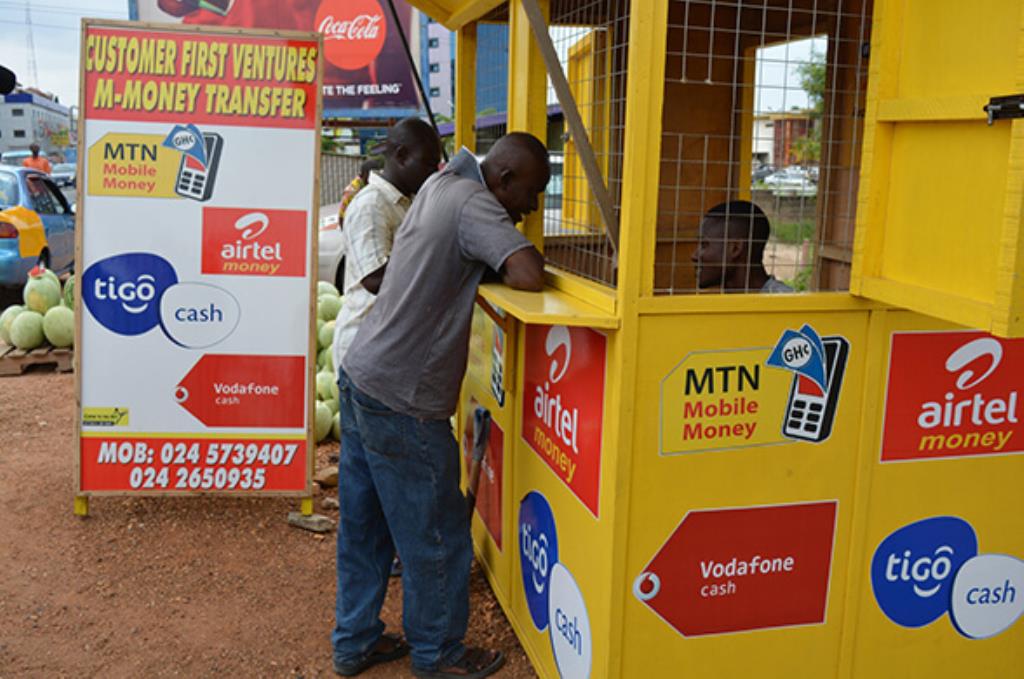
For starters, MTN, Airtel and Safaricom built something the Fintechs have not done, and that is, to build an agent network. The importance of an agent network in mobile money adoption can not be underestimated. The presence of agents, even in remote areas, means that mobile money can be used even in areas that are not served by the Internet or are hard to reach.
Agents act as points for onboarding new users, but most importantly, for cash-in and Cash-out transactions, which is one of the most important aspects of the entire mobile money ecosystem.
Mobile Money is also USSD-code first, instead of app-first. A big chunk of Africa’s population is still offline or uses minimal data (data is only used for the major apps like WhatsApp). This gives mobile money operators a big advantage. Using the USSD code, it means mobile money operators can tap into the class of people who use feature phones. Feature phones are still the most sold phones across Africa as smartphone penetration is low.
Also, mobile money operators use the network effect where mobile money accounts are directly tied to registered SIM cards. When someone gets a SIM card, they automatically get registered on Mobile Money.
Based on these factors, it will be hard for Fintechs to replicate the Mobile Money success. Fintechs, most of the time, are app-based and require Internet usage to function. This eliminates a large chunk of people.
Also, the majority of Fintechs are at the mercy of mobile money operators due to their lack of agent network infrastructure. For people to use these Fintechs, many rely on the existing mobile money infrastructure for people to deposit to their wallets or even withdraw money.
Based on these factors, it will be hard for Fintechs to replicate mobile money’s success. But as smartphone penetration and Internet usage keep growing, Fintechs could still carve out a prominent role for themselves by providing services that mobile money struggles with or by doing some of mobile money’s services better than mobile money itself.