_qzAfricaSource.jpg?alt=media&token=f3df3bec-3141-42d2-9d1d-c5932eb0c37d)
Nigeria's naira recorded a historical plunge after being floated freely
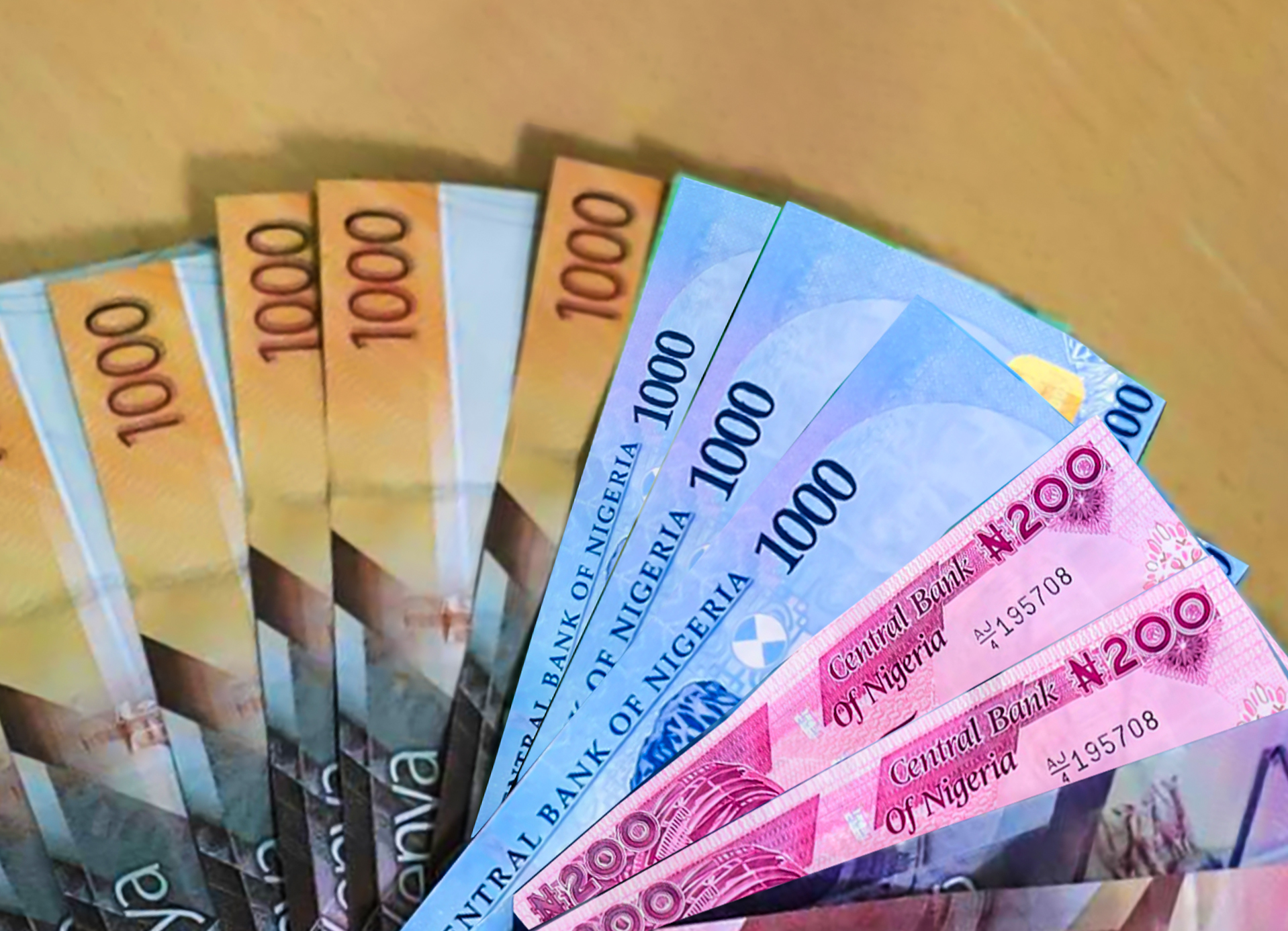
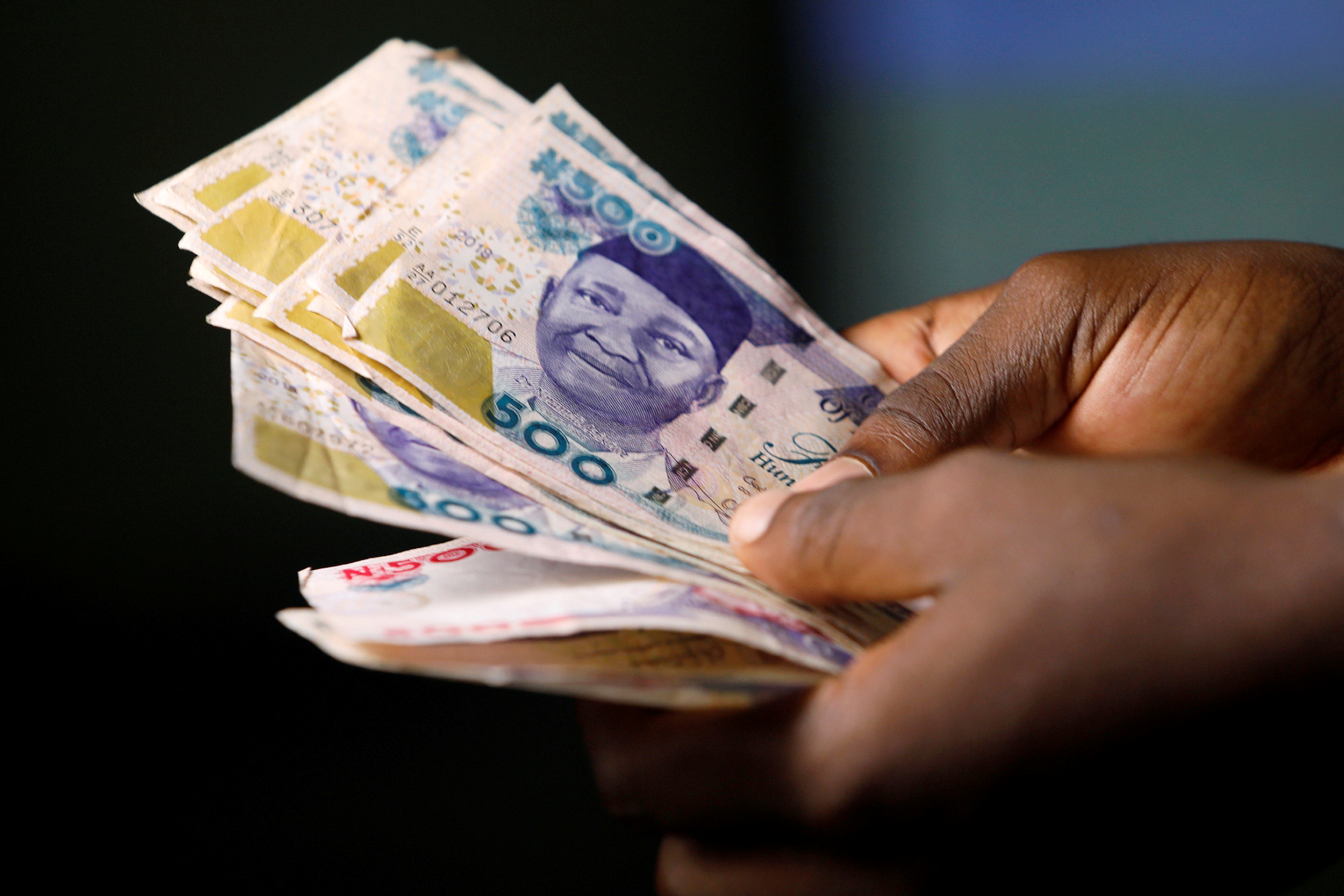
The Central Bank of Nigeria's decision to float the naira freely has resulted in a significant depreciation of the currency against the US dollar. The move, aimed at addressing dollar scarcity and reducing parallel forex exchange markets, caused the naira to fall by 36% on the official market on June 14. The new policy removed trading restrictions and allowed the naira to decline from 477 per US dollar to 750. As of June 15, the black market rate stood at 760 per US dollar. Analysts believe that the currency float could help bridge the gap between official and parallel market rates, boost investor confidence, increase foreign inflows, reduce import costs, and ease pressure on the naira. However, the shift to a willing-buyer-willing-seller mode of forex trading may have long-term negative effects, as sellers seek to sell their US dollars at the highest possible rates, potentially increasing the government's external debt and impacting corporate tax collections.
Read more on Quartz-Africa